The bit nobody puts in the brochure: where do you empty it?
Every toilet on this ladder eventually needs emptying, and this is where the marketing photography stops.
Chemical cassettes go to a dedicated disposal point. Most campsites and motorhome aires have one. Never empty a treated cassette into a normal toilet, a drain or a hedge.
Urine is the part people underestimate. A 4 to 5 litre container fills faster than you'd think with two people on board, which in practice means finding somewhere every day or two. Diluted urine can normally go down a toilet. Away from campsites, the usual advice is well away from water, paths and pitches.
Solids go into general waste in a sealed compostable bag, unless you genuinely have somewhere to compost them properly, which almost nobody does while travelling.
Cover material is the running cost nobody mentions. Coco coir compresses into small bricks, absorbs well and controls odour better than sawdust. Budget a brick or two per trip.
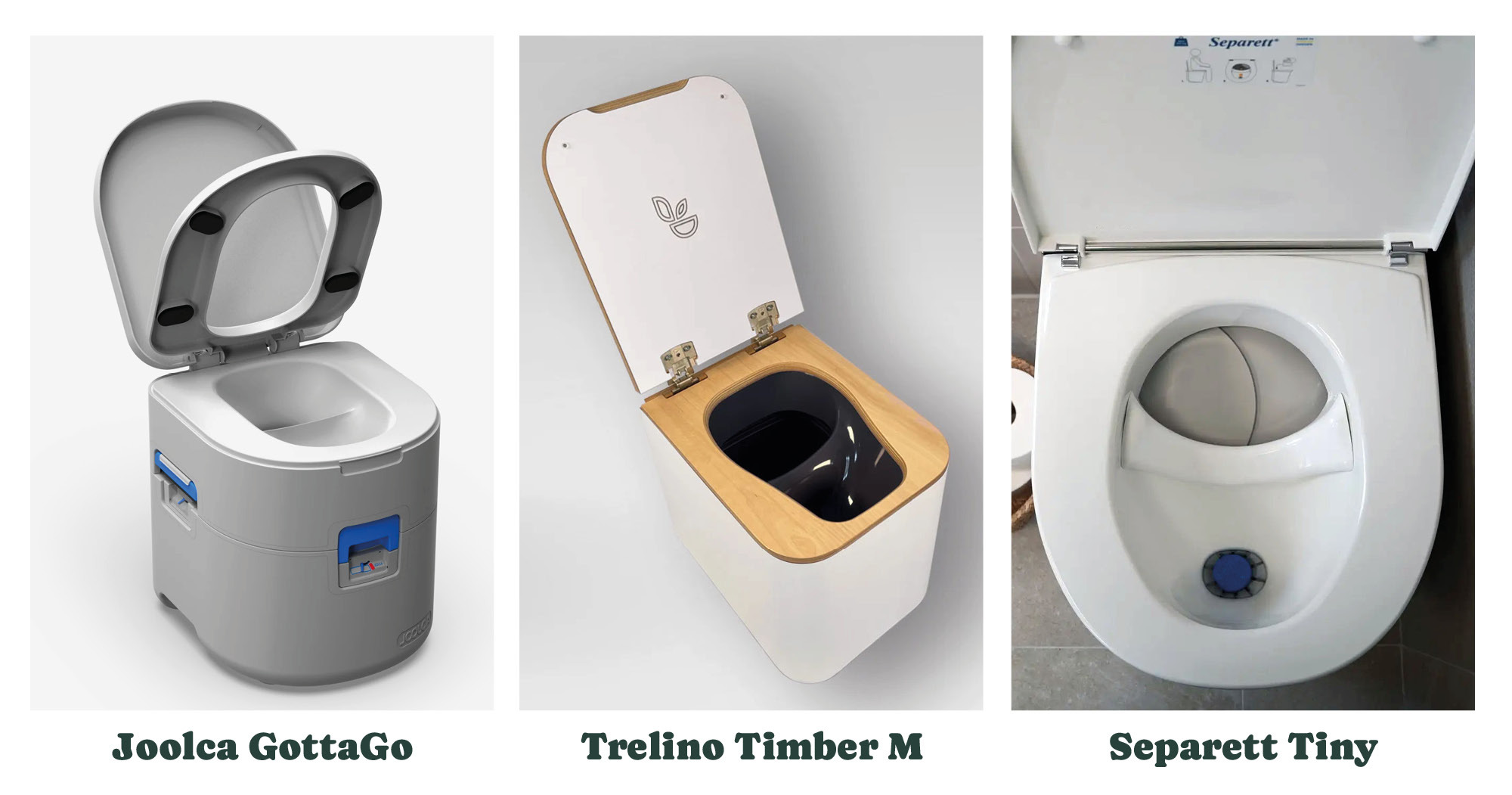
And on smell: a well-managed separating toilet really doesn't stink, because urine and solids only smell strongly once they're mixed. Get the separation wrong, or leave the urine container a day too long in August, and you'll understand exactly what the Separett's fan is for.
So what does spending more actually get you?
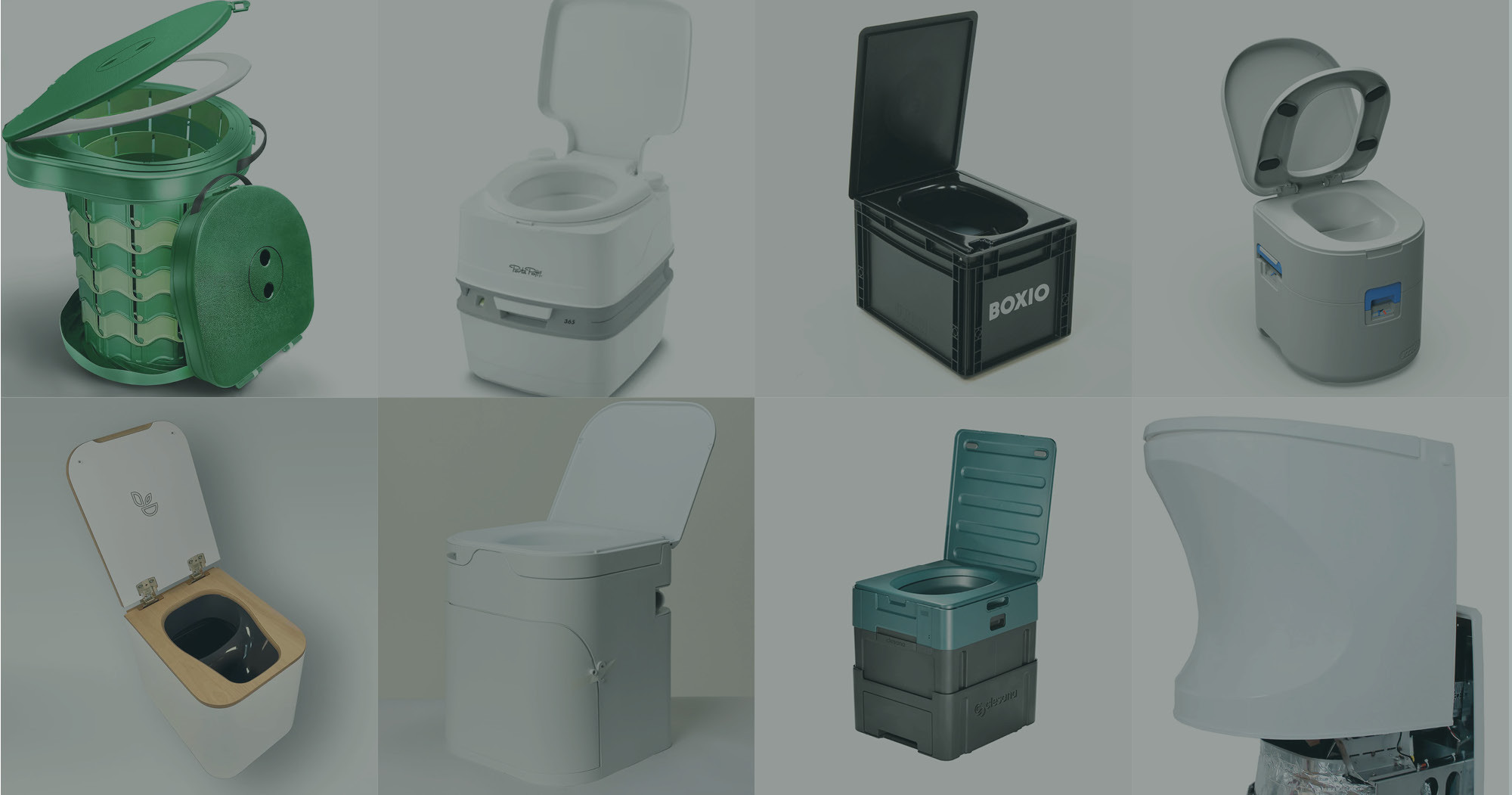
After disappearing down this particular rabbit hole, our toilet technology price range varies from €30 to €5,000. Which raises the obvious question: where's the sweet spot?
We don't think there's one answer.
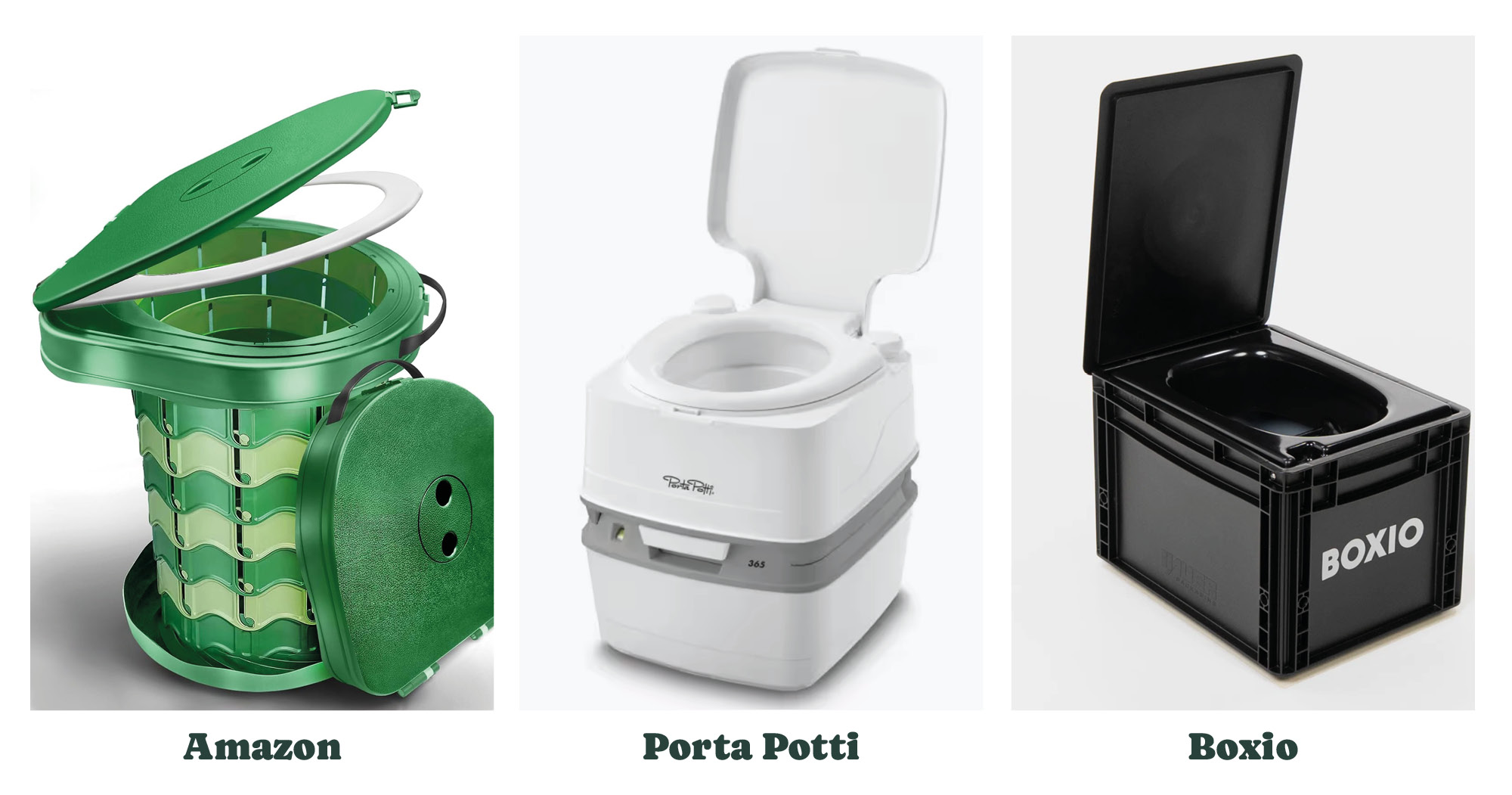
For many, a cheap folding job off Amazon does everything you need and won't take up space or budget.
For the camper who mainly stays on campsites, the boring €90 Porta Potti remains remarkably difficult to argue with.
For regular off-grid travelling, we're increasingly attracted to the simple separating toilet. No water, no chemicals, no complicated mechanism and, ideally, a large uninterrupted route between backside and bucket.
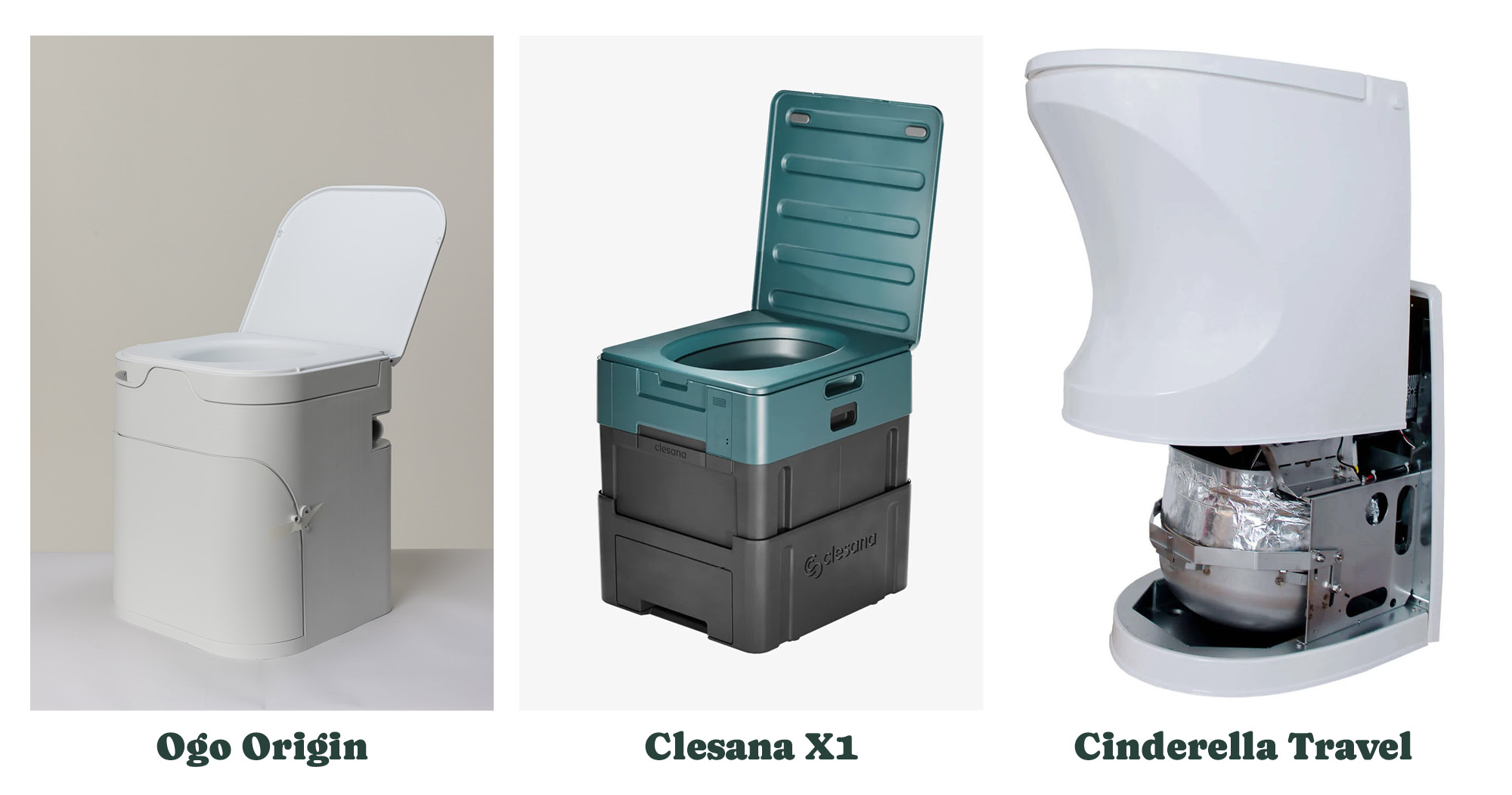
If you've got a bigger budget, the Clesana is a seriously impressive toilet for anyone who really doesn't want to interact with stored waste, clean the bowl or detect odours.
And the Cinderella? If your campervan toilet budget is roughly the same as some people's entire campervan, congratulations. You can burn your poo.
Before you buy: where does it actually live?
There's another question that comes before price: where does the thing go?
A portable toilet needs somewhere to sit that isn't the middle of your floor. A Separett needs power and an exterior wall to duct through. And in a small van, the honest answer is often that a toilet displaces something you'd rather keep.
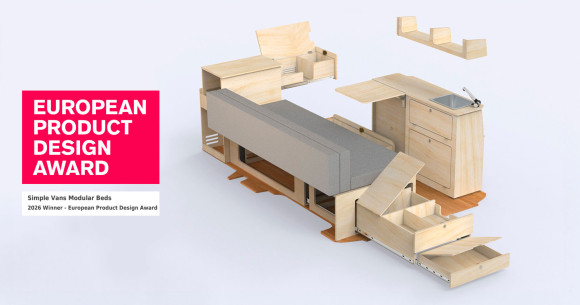
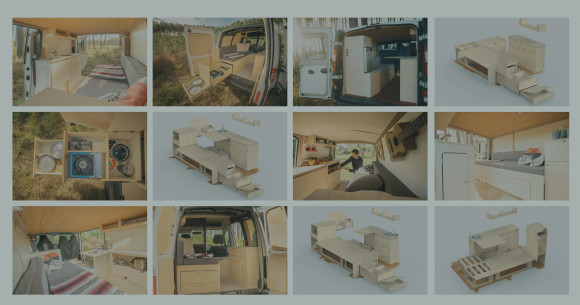
Which is why we design portable toilet storage into our kits rather than leaving you to find room afterwards.
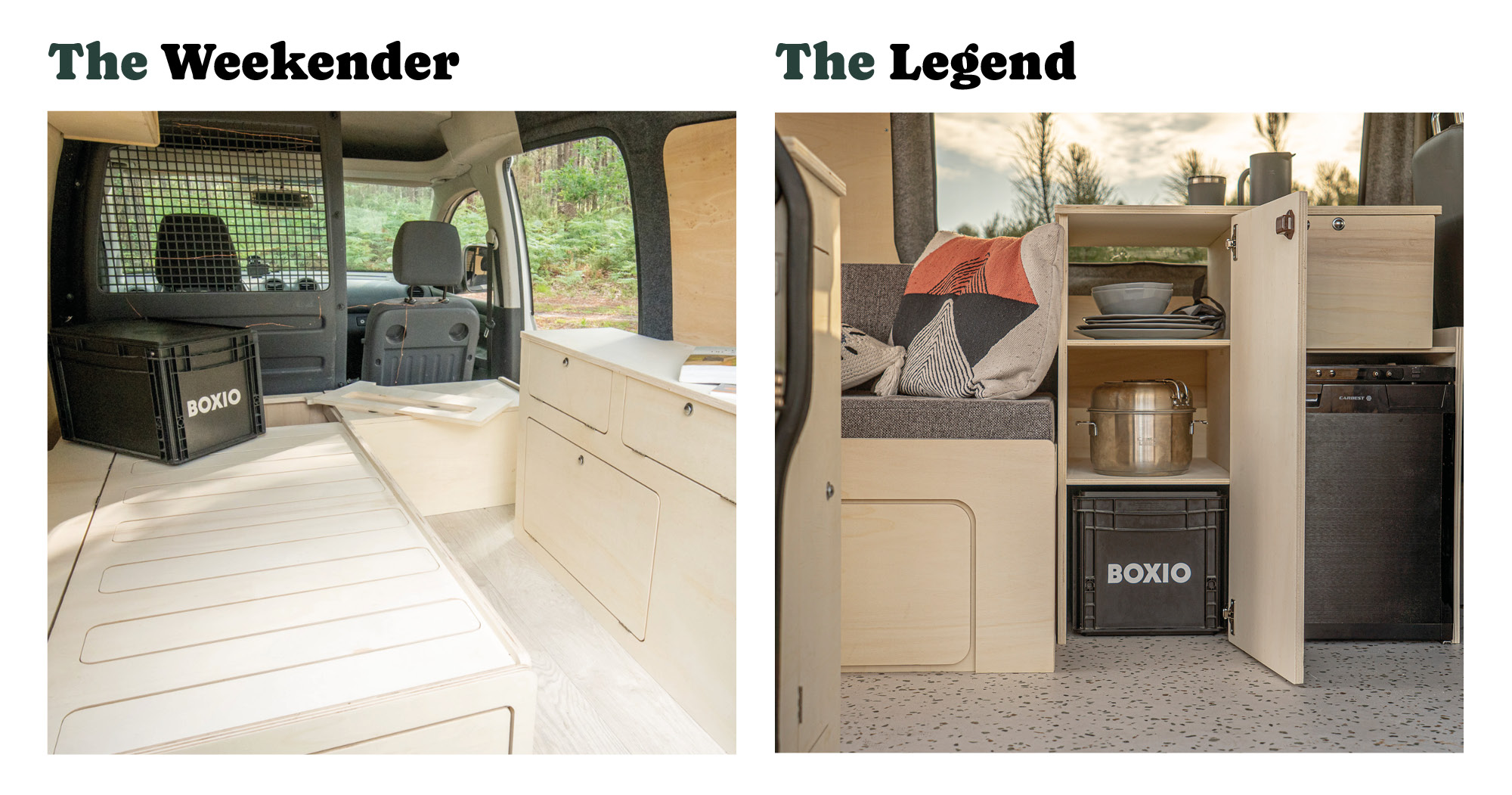
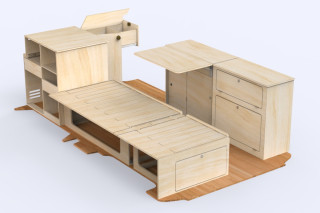
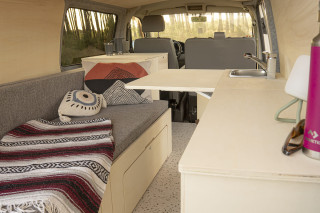
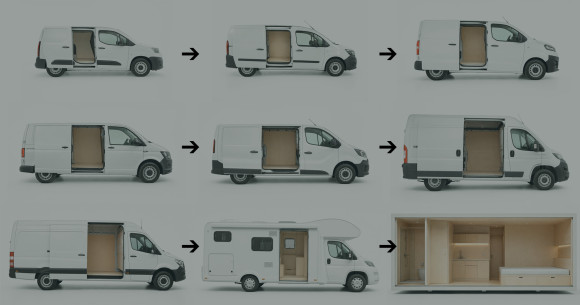
Our Weekender kit has storage under the bed that will take a BOXIO or Porta Potti, as do our Roamer and Legend kits for medium vans. The other Classic kits don't have a dedicated toilet space, and we'd rather tell you that now than after you've bought one. Our Plus range for large vans has large modular cupboard units that are perfect for stashing a portable toilet.
One final lesson from the rabbit hole
We began this search assuming that the more expensive toilets would simply be better versions of the cheaper ones.
They're not.
They're different philosophies.
Bag it. Separate it. Dry it. Seal it. Stir it. Package it. Burn it.
And strangely, after looking at toilets costing everything from €30 to nearly €5,000, the feature we've come to appreciate most isn't an electric fan, heat sealer or combustion chamber.
It's simplicity. Sometimes the best engineering is less engineering.