×

The Ultimate Guide to Camper Van Beds for Medium Vans

Posted on2026-02-26

Congratulations – you've got a medium van.

A sweet-spot van. Not a tiny micro-camper where you live like a folded map*, and not a long-wheelbase monster that needs its own postcode. We're talking vans like the Renault Trafic and the Volkswagen Transporter T6 – vans that reward good layouts and punish bad ones in roughly equal measure. 

Here's the bottom line about building one out: your bed decision is the entire build. The kitchen is secondary. The electrics are flexible. Storage is adaptable. A bathtub is insanity. But the bed dictates weight, layout, storage volume, how the van feels on a rainy afternoon, and ultimately whether you actually enjoy being inside it. Choose wrong and the van feels cramped and heavy. Choose right and it feels twice the size. 

What Medium Vans Actually Demand 

Medium vans don't have a medium margin for error. Take weight. You don't have infinite payload, and every kilogram you add is quietly eating into something else water capacity, battery headroom, handling, fuel consumption. The deeper principle, one that applies to almost every structural decision in a van build, is that strength doesn't come from mass: it comes from geometry. The right shape in the right place outperforms a thicker slab every time, at a fraction of the weight. Space efficiency matters just as much. In a medium van, furniture has to earn its keep twice over. Your bed needs to disappear in the daytime: if not, it needs to make itself useful.

The Honest Tour of Your Options 

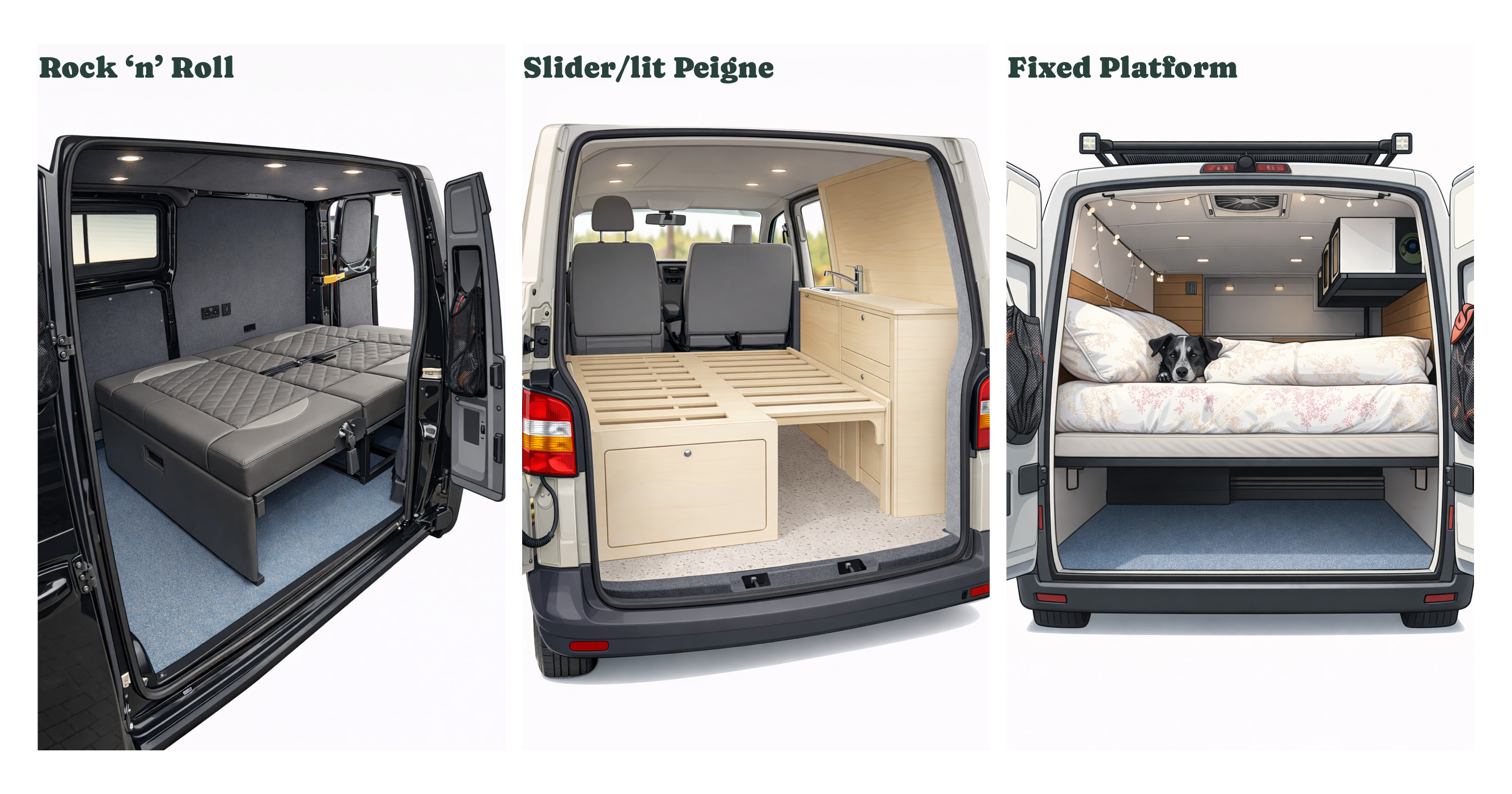
Rock n' Roll beds are the classic: a metal rear seat that folds flat into a sleeping platform. If you genuinely need certified rear seating, they make sense. If you don't (and you probably don’t) then you're carrying a lot of very expensive weight for no functional reason.

Fixed rear platform beds go the other direction, permanent sleeping surface, massive garage storage underneath, zero complexity. Brilliant if you're constantly hauling bikes or surfboards. Less brilliant if you want to sit inside and drink coffee without lying down, because in daytime mode the van becomes a very expensive kennel.

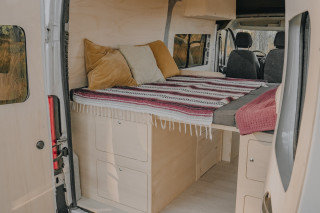
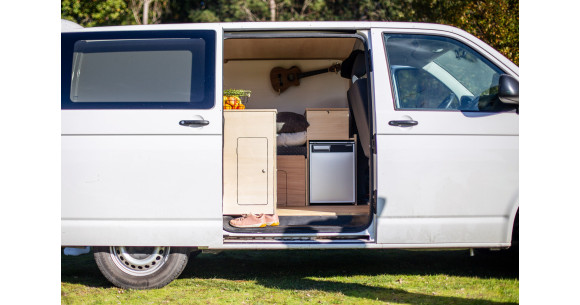
Convertible bench systems are where medium vans start to make real sense. A bench along one wall that expands into a full-width bed gives you a genuine lounge during the day and a proper sleeping surface at night. The van feels open and usable rather than like a rolling bedroom. The quality of this experience, though, varies enormously depending on how the conversion mechanism is designed.

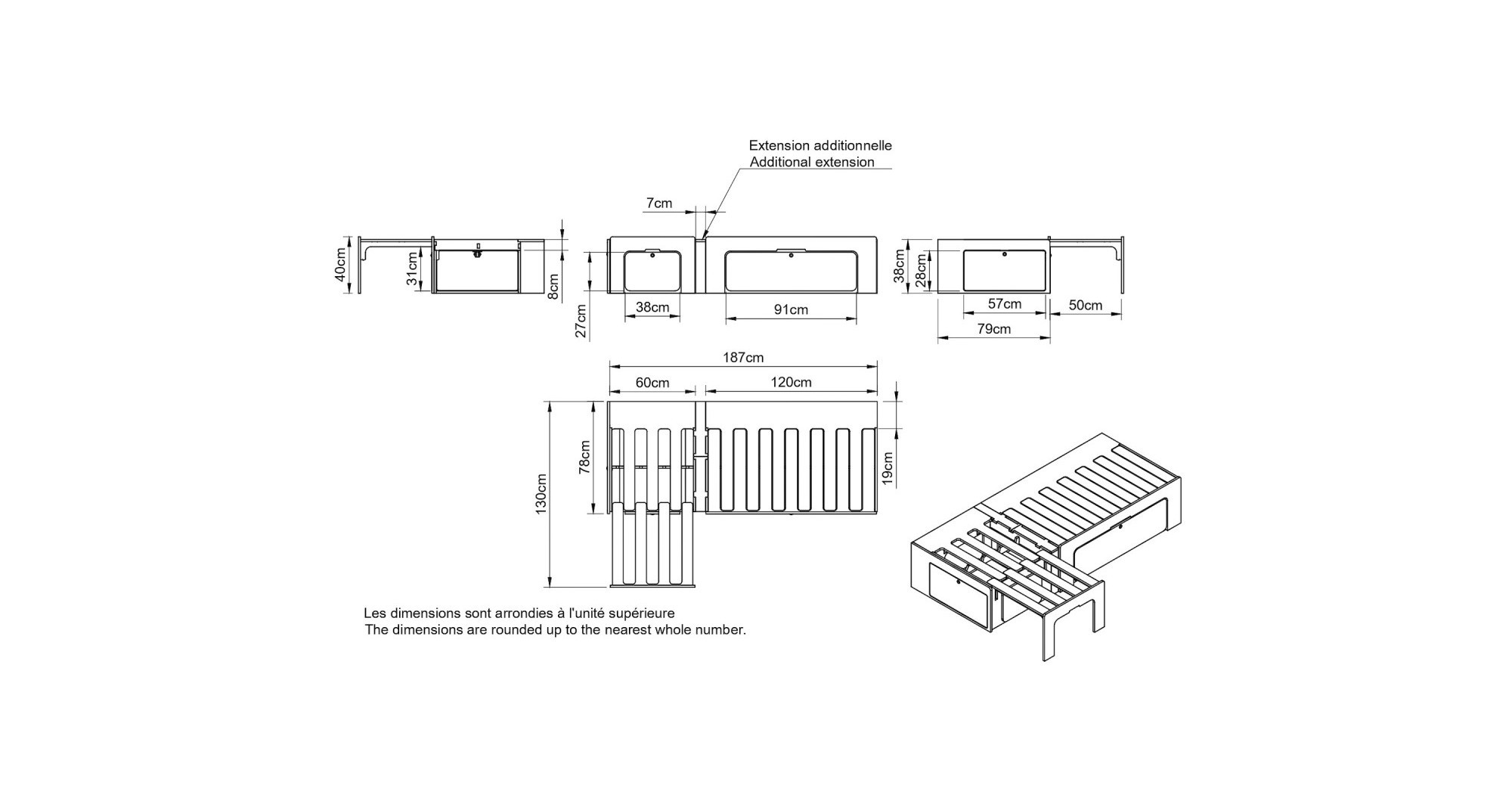
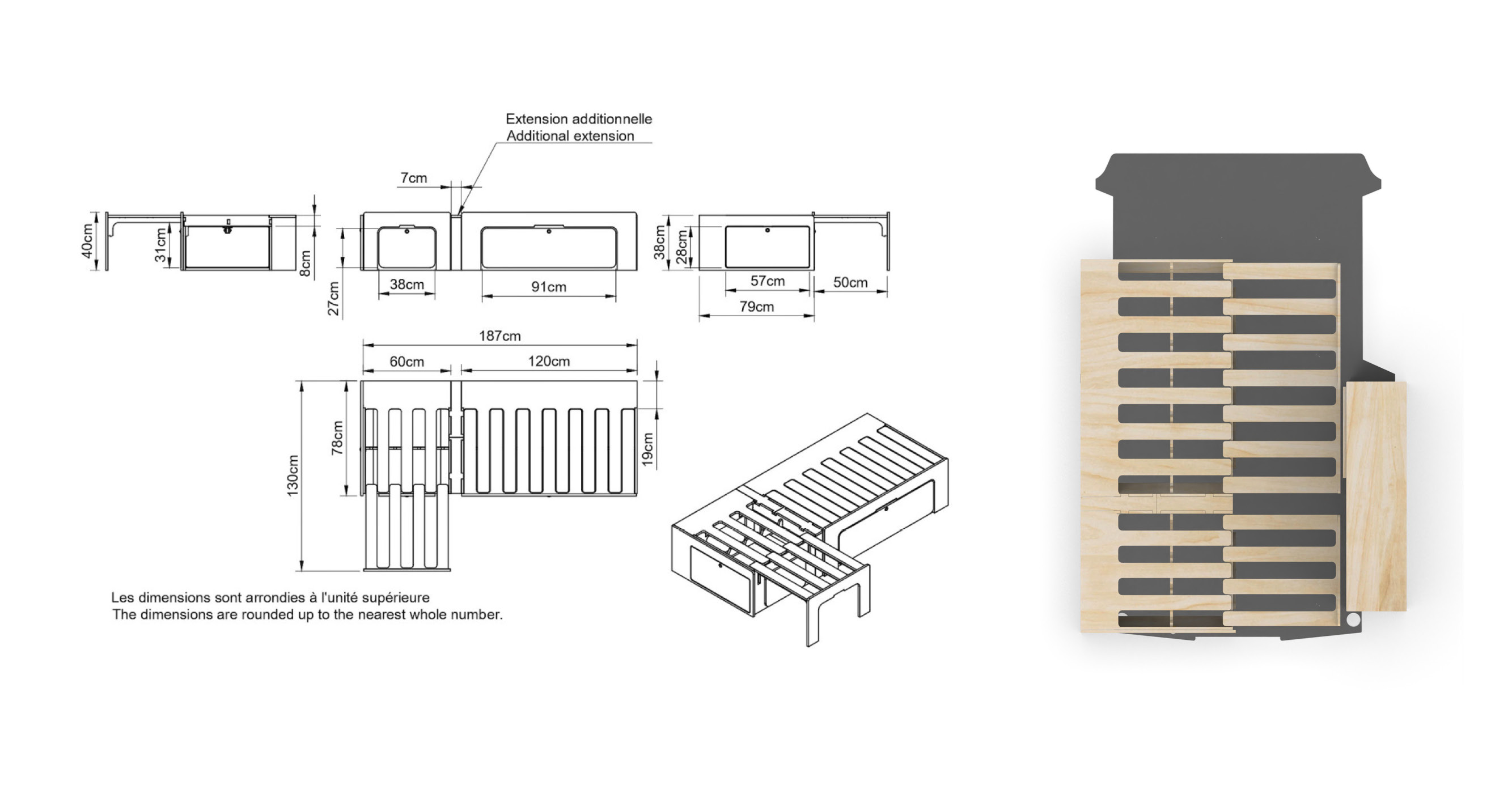
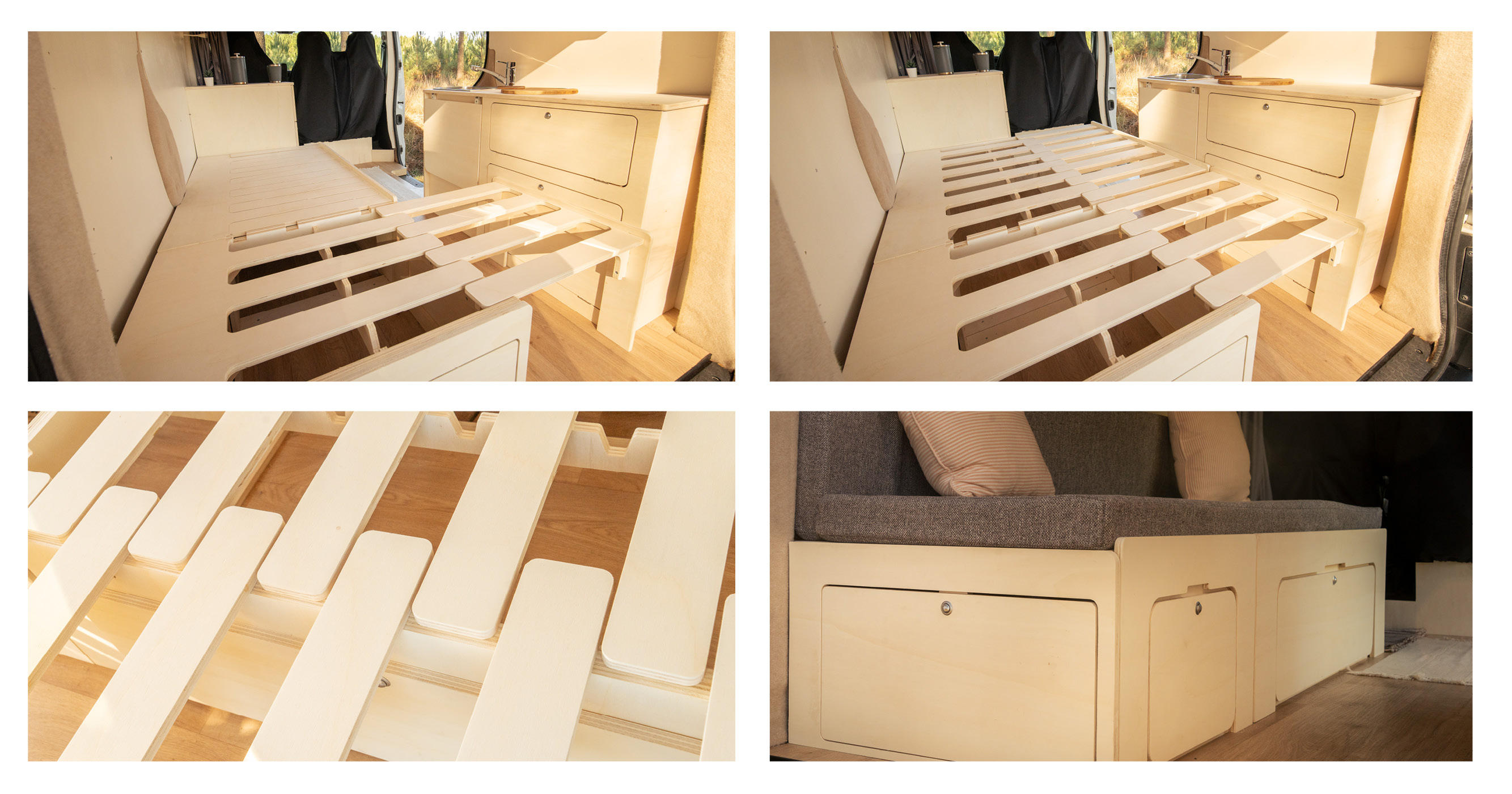
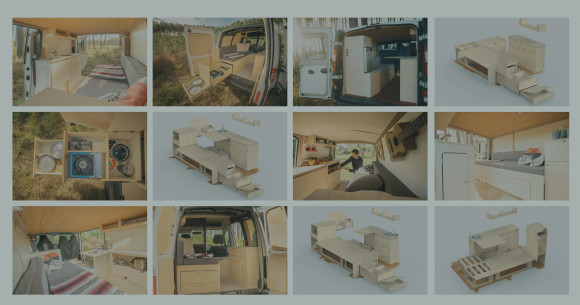
The evolved version is the sliding slat or ‘comb’ bed a system where the bench extends into a full bed via interlocking slats rather than solid sliding boards. With slats, you're using significantly less material while maintaining structural strength, and, when reinforced correctly with proper structural T-bracing a 15mm slatted system is more than capable of handling real-world loads. Less material means less weight, but the smarter benefit is airflow: a slatted surface lets air circulate under the mattress, reducing condensation and dramatically lowering the risk of mould. That's a genuine problem in vans that gets politely ignored in a lot of build guides. When this kind of system is built well, you end up with a platform that handles 200kg or more, spans 120 to 130cm for real sleeping comfort, and does all of it without a significant weight penalty. The geometry is doing the work that mass would otherwise have to do.

Materials: What's Actually Worth Using 

The material question sounds straightforward until you start researching it, at which point you'll encounter confident opinions in every direction. Most of them are right about their chosen material’s benefits and wrong about how they work out for a bed build.

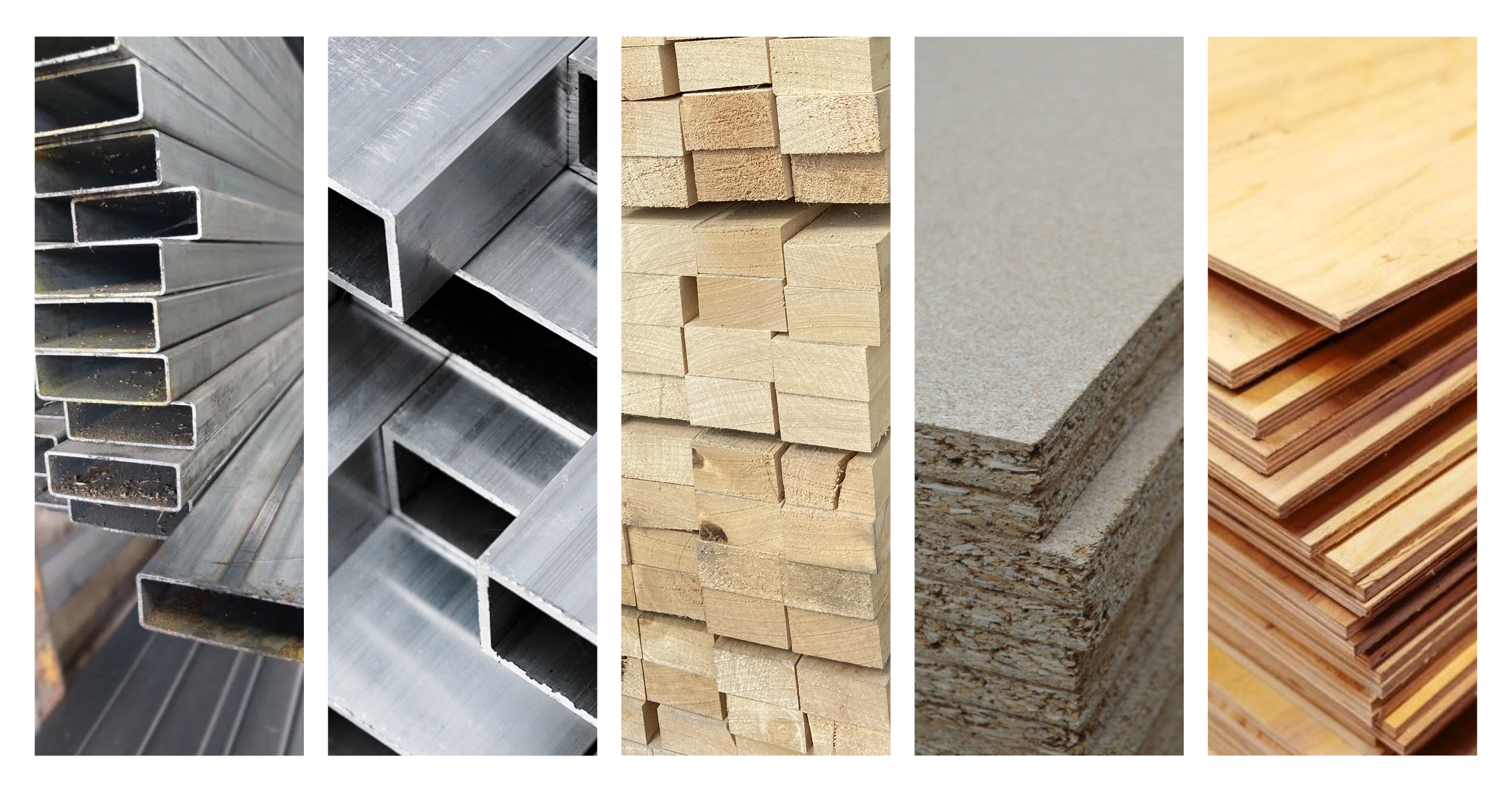
Steel is strong, required for crash-certified seating, and heavy. For a pure sleeping platform, it's usually overkill you're solving a structural problem you don't have, at a weight cost you'll feel every time you load the van.

Aluminium sounds most clever on paper. Light, corrosion-resistant, strong it's what aerospace uses, after all. The problem is that aluminium's strength comes from extrusions and formed sections, not flat sheet. Fabricating a bed platform properly requires either expensive pre-made profiles or welding skills, and once you've added enough flat sheet to feel rigid, the weight advantage over plywood has quietly disappeared.

Solid wood looks beautiful and feels honest in a way sheet materials don't. It's also heavy, prone to movement with humidity changes, and expensive in the widths a van bed demands. A few solid wood details in a build can be lovely. A solid wood bed platform is a project in romantic suffering.

MDF cuts cleanly, costs almost nothing… and has poor structural strength relative to its mass. It also hates moisture a significant flaw in a vehicle that generates condensation as a hobby. OSB is cheap, but that’s about it: it’s heavy, cracks under load, and its rough, flaked surface makes finishing awkward. Chipboard? Hates moisture, cracks easily, low resistance strength.

Realistically? It’s all about plywood. But which type?

Well, among the plywoods, birch is the traditional choice: strong, reliable, used in cabinetry everywhere. It's also on the heavier end, and in a van build, that weight accumulates faster than you'd expect. Marine-grade plywood is more moisture resistant but carries similar weight penalties.

Lightweight poplar plywood is where things get interesting. Significantly lighter than birch, structurally solid when designed correctly, and genuinely well-suited to large components where weight compounds quickly. It’s not glamorous and it’s not always easy to find, which is probably why it doesn’t get talked about much. But in a medium van, shaving kilos off your largest structural element is one of the smartest decisions you can make.


DIY, Kit, or Professional Install 

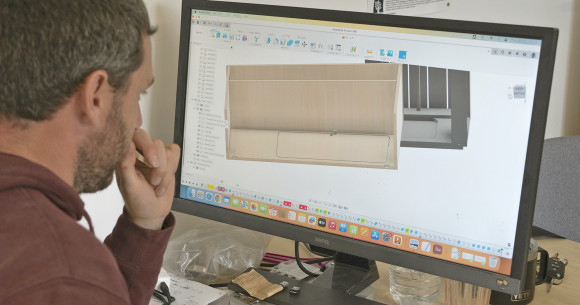
Building a sliding slat bed from scratch is achievable if you have accurate measurements, a decent router setup ideally a CNC and enough time to dial in the tolerances. Can you cut the slats freehand with a jigsaw? Technically. Will they slide cleanly enough that the bed deploys without drama at eleven o'clock on a cold night? Probably not. For an experienced builder with good tooling and a clear schedule, it’s worth attempting. For most people, it’s where your “I almost built a camper van once” origin story begins.

DIY? Hard. Pro? Expensive. 

CNC-cut flat-pack kits? Perfect (spoiler alert: this is our whole business plan). You get precision-cut slots, engineered tolerances, and a mechanism that actually works and you still do the assembly, the finishing, the fitting, and whatever customisation makes it yours. You're skipping the machine shop phase, which for most builders is the right call regardless of ability. This is the reason why our sliding bed kits are popular with total DIY rookies and van conversion professionals alike.

The Actual Conclusion 

Medium vans have real constraints, and the builds that work best are the ones that respect them rather than fight them. Light beats heavy. Geometry beats thickness. Modular beats fixed. A bed designed around those principles will make your van feel significantly larger and more liveable than one that treats the rear half of the vehicle as a permanent sacrifice to sleeping convenience. Get the bed right and everything else gets easier. Get it wrong and no amount of clever cabinetry fixes it.

* Not that we’re knocking micro vans: we think they’re great (especially fitted with a sliding bed).

Related products
€679.00 (tax incl.)

We’ve redesigned our popular slider bed to fit perfectly into a compact van. The new bed’s dimensions are 161.5 x 112cm, making it 197cm long on the diagonal – plenty for most solo travellers… and couples who like to spoon! For models with a long rear bay area, an extension section is included with every kit to increase the bed’s length to 168.5 cm.

The bed features a 120cm pull-out section, allowing it to quickly and easily convert from a 60cm deep bench seat to bed.

See our Buyer's Guide

€1,599.00 (tax incl.)

The Bed PLUS Max is our largest bed, and the ultimate foundation for your camper van setup.

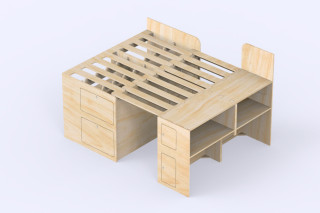
Designed for both comfort and practicality, its innovative comb design converts quickly from a spacious double bed to a single with a central corridor, offering easy access to storage from inside the van and via the rear doors. With elevated height and multi-access compartments, this bed doesn’t just let you sleep well—it eliminates clutter.

Mattress not included

Related articles

Menu

MENU