×

Warm, Dry, and Liveable: A Practical Guide to European Winter Vanlife

Posted on2026-01-28 by

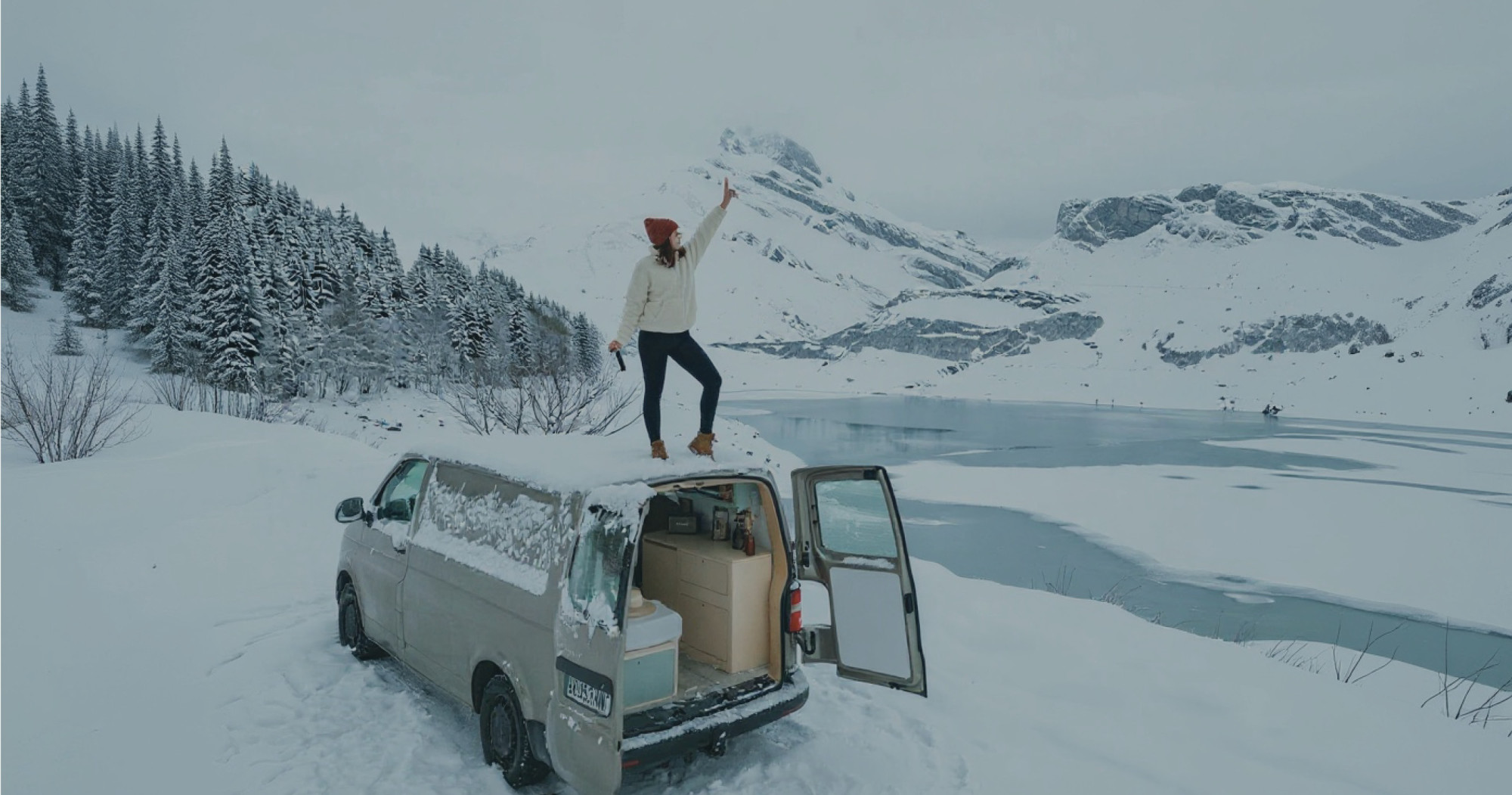
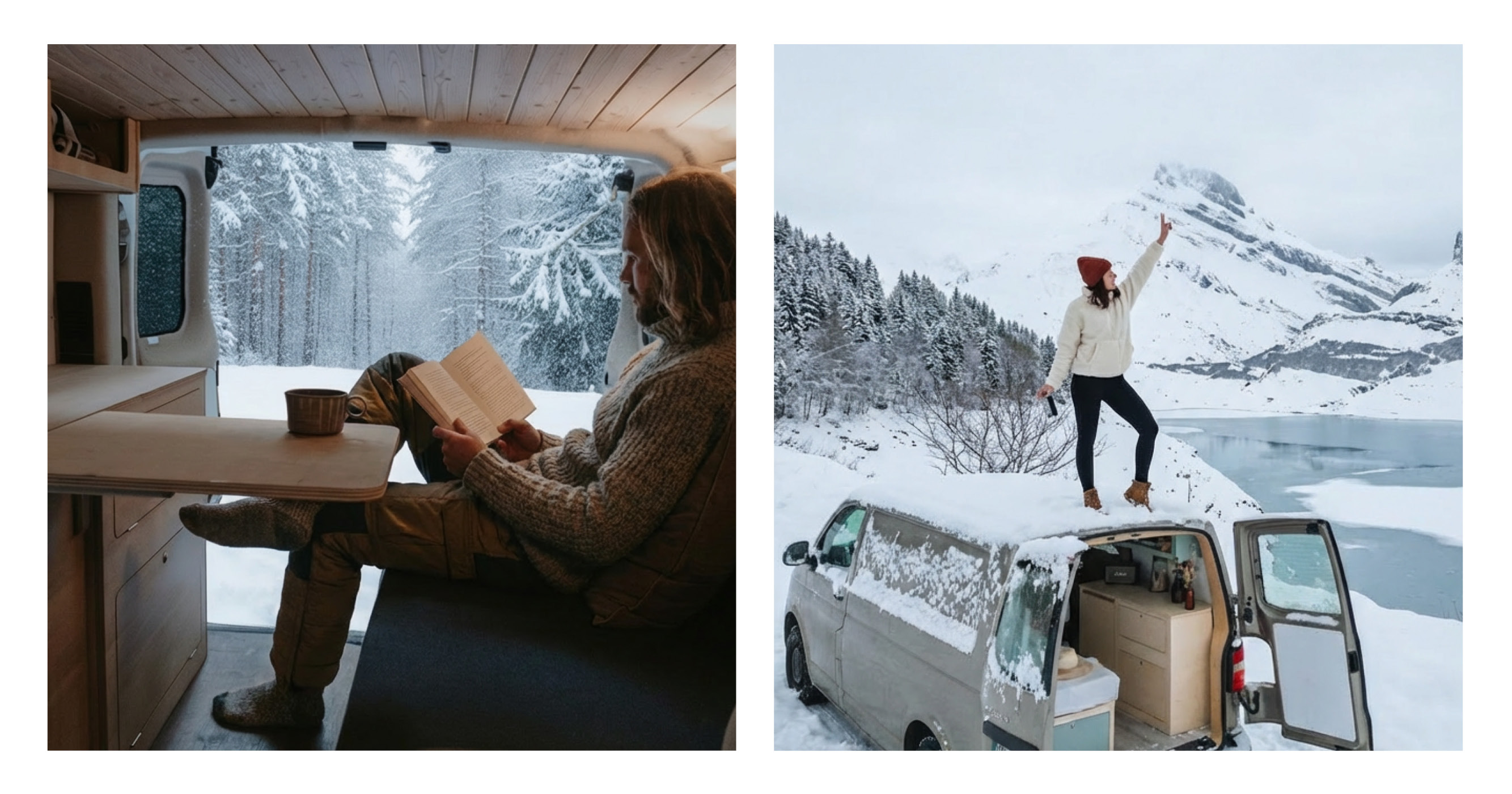
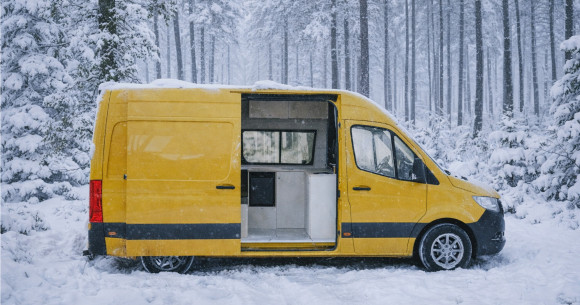
Winter vanlife across Europe doesn’t mean hibernating until spring. From exploring Atlantic coastal hiking trails in Portugal to chasing powder in the Alps or Pyrenees, the colder months offer some of the most rewarding travel of the year–without the crowds. But European winter road tripping isn’t about Arctic extremes: it’s often more about managing damp, grey conditions where condensation is the real enemy. Whether you’re building out a Trafic or working with the extra space of a Crafter, these ten hacks will help you design and optimise your van for real European winters.

1. Design a “Heat Core” Inside Your Van

Every Simple Vans kit arrives flat-packed. Each piece is made from PEFC-certified poplar plywood – strong, lightweight, and sustainable. It's pre-sanded but unfinished, so you can oil it, paint it, or just leave it raw if you like that pale, modern look.

The kits are built to slot together like a puzzle. You glue the edges, screw certain sections together using pre-drilled holes, add hinges, door fasteners, drawer rails – and that’s it.
It’s called slot and tab construction – and it’s the key to what makes our kits strong, fast to build, and almost impossible to mess up.

2. Build for Grey, Damp EU Winters (Not Arctic Cold)

Across much of Europe, the challenge isn’t deep frost–it’s persistent moisture.

When building or upgrading, prioritise vapour barriers, ventilated air gaps behind panels, and materials that tolerate moisture. Seal all cut wood edges, avoid exposed MDF, and hunt down thermal bridges. As far as insulation goes, fluffy insulation works well in theory, but packed into unventilated cavities it can quietly become a mould trap – better go with Armaflex (closed-cell elastomeric foam) or, better still, get a pro to install spray cork with biofiber.

For a deeper dive on how to insulate your van, check out this article:

3. Make Your Power System Winter-Biased

Solar shines from spring to autumn. From November to February, it’s unreliable across most of Europe.
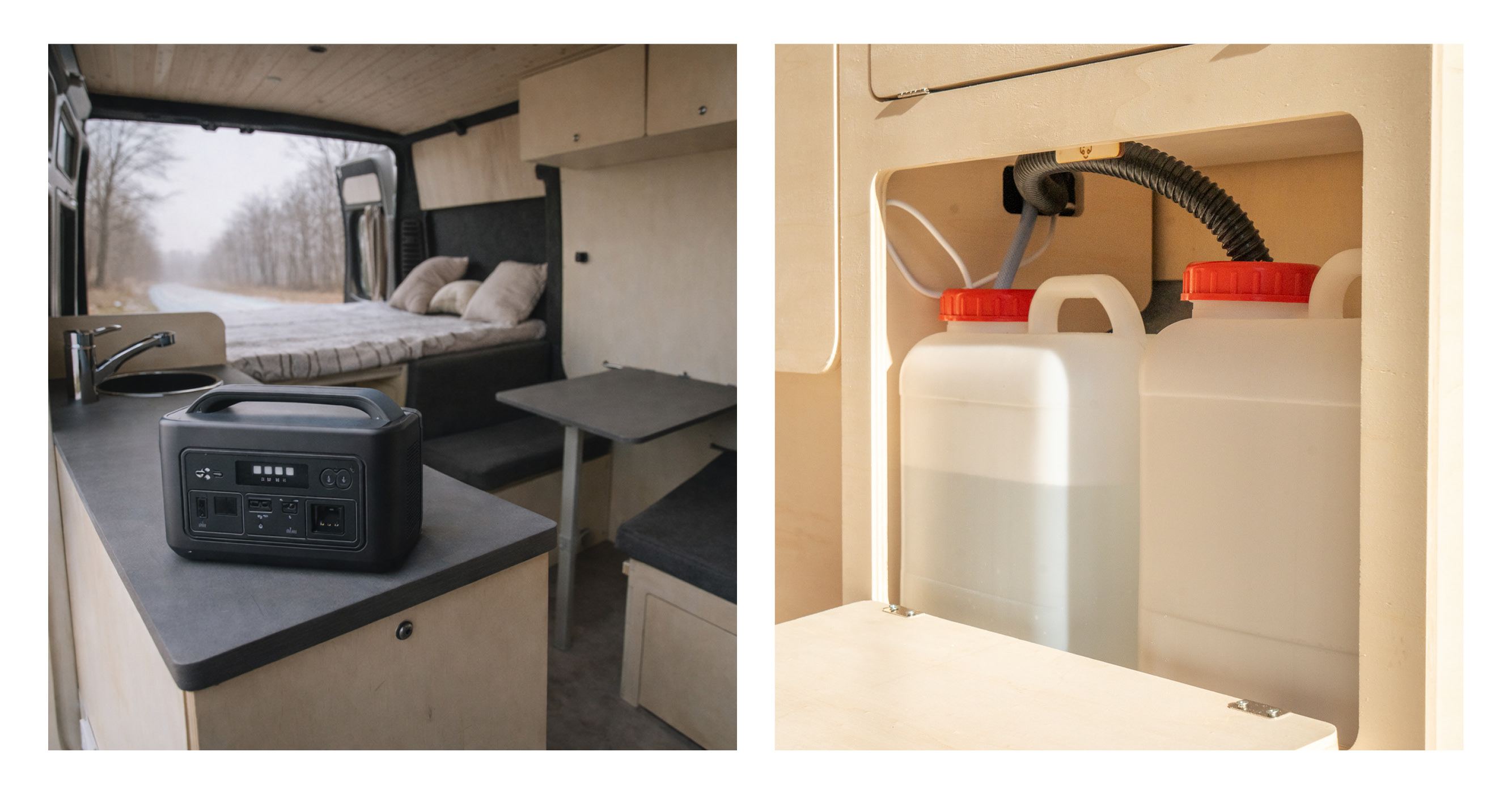
Instead, design your system around driving and occasional shore power. Overspec your DC–DC charger so regular driving actually replenishes your batteries. Even if you avoid campsites, a simple external hook-up can be invaluable during long, wet stretches. As for installing electrics, personally we love the plug-and-play power stations: they're perfect for winter vanlife. You can charge them while driving via 12V, top them up at campsites or cafés when solar isn't cutting it, and a good one will handle all your essential loads without the complexity of a full electrical install (or the hassle of a drained leisure battery).


4. Keep All Critical Water Inside the Thermal Envelope

Frozen tanks and pipes can end a winter trip overnight – especially in shorter vans.
Keep your main fresh water tank and pump inside the insulated living space, where body heat and your heater offer protection. If you run a large underslung tank in summer, treat it as seasonal and switch to smaller indoor tanks or jerrycans in winter.
Minimise external pipe runs and place drain valves where you can reach them easily, even in the dark and rain. Thoughtful placement matters more than clever plumbing.

3. Make Your Power System Winter-Biased

Solar shines from spring to autumn. From November to February, it’s unreliable across most of Europe.
Instead, design your system around driving and occasional shore power. Overspec your DC–DC charger so regular driving actually replenishes your batteries. Even if you avoid campsites, a simple external hook-up can be invaluable during long, wet stretches. As for installing electrics, personally we love the plug-and-play power stations: they're perfect for winter vanlife. You can charge them while driving via 12V, top them up at campsites or cafés when solar isn't cutting it, and a good one will handle all your essential loads without the complexity of a full electrical install (or the hassle of a drained leisure battery).


4. Keep All Critical Water Inside the Thermal Envelope

Frozen tanks and pipes can end a winter trip overnight – especially in shorter vans.
Keep your main fresh water tank and pump inside the insulated living space, where body heat and your heater offer protection. If you run a large underslung tank in summer, treat it as seasonal and switch to smaller indoor tanks or jerrycans in winter.
Minimise external pipe runs and place drain valves where you can reach them easily, even in the dark and rain. Thoughtful placement matters more than clever plumbing.

7. Give Your Diesel Heater What It Actually Needs

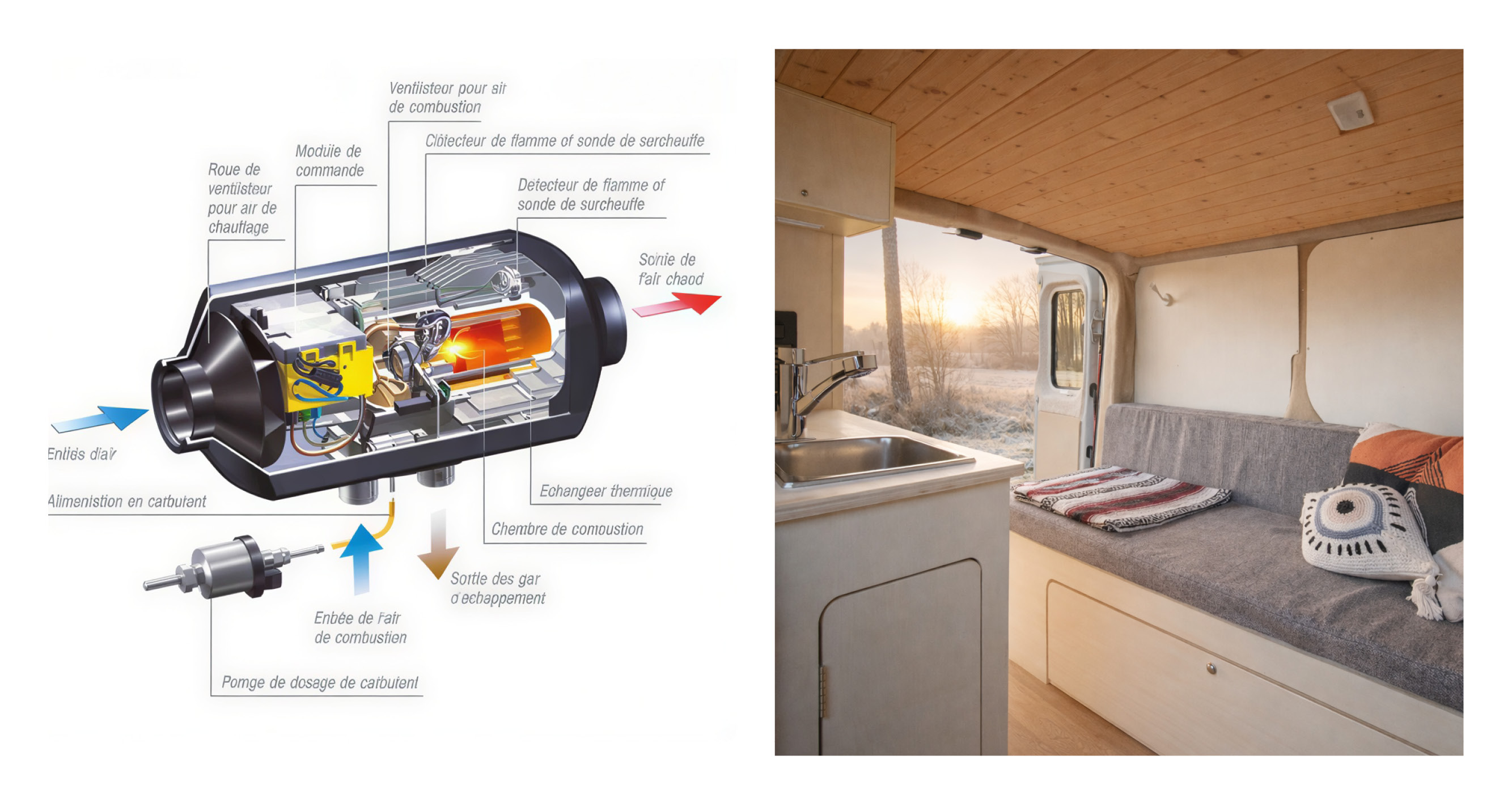
Diesel heaters are excellent when installed with winter in mind.
Route exhaust and intake lines away from spray and standing water, and keep fuel pumps and lines accessible for maintenance. Position the heater so airflow isn’t restricted and exhaust exits safely.
Just as important, size your batteries and cabling so the heater can complete startup and shutdown cycles without voltage drops on cold mornings. Short, appropriately thick cable runs make the difference between reliable heat and repeated error codes.


8. Strategic Parking for Morning Sun

In winter, that morning sun is gold. When you're scouting your overnight spot, think about where the sun rises and park accordingly. Position your van so your living area or habitation door faces east-southeast. Those first rays will warm up your space naturally and help combat condensation on your windows.
Apps like Sun Seeker or even Google Maps' compass feature can help you orient perfectly, especially in wooded areas where the sun's path matters even more.

9. Plan for Realistic “Bad Weather Days”

Long, wet days in a compact van test both patience and relationships.
Design at least two comfortable positions such as a swivel seat and a bench so people can do different things without crowding each other. One person reading while the other cooks or works makes a big difference to morale.
Small details matter in winter: warm-toned lighting, stable laptop or tablet surfaces, good reading lights, and accessible storage for a couple of indoor hobbies. When the weather closes in, comfort becomes a design feature.


10. Treat Route Planning as Part of Your Winter Setup

In Europe, where you travel often matters more than how much insulation you installed.
Atlantic-influenced regions : northwest Spain and Portugal, Atlantic France, southwest England offer milder, more stable winters than many expect. Continental interiors, high plateaus, and mountain valleys demand heavier winterisation or are best saved for spring.
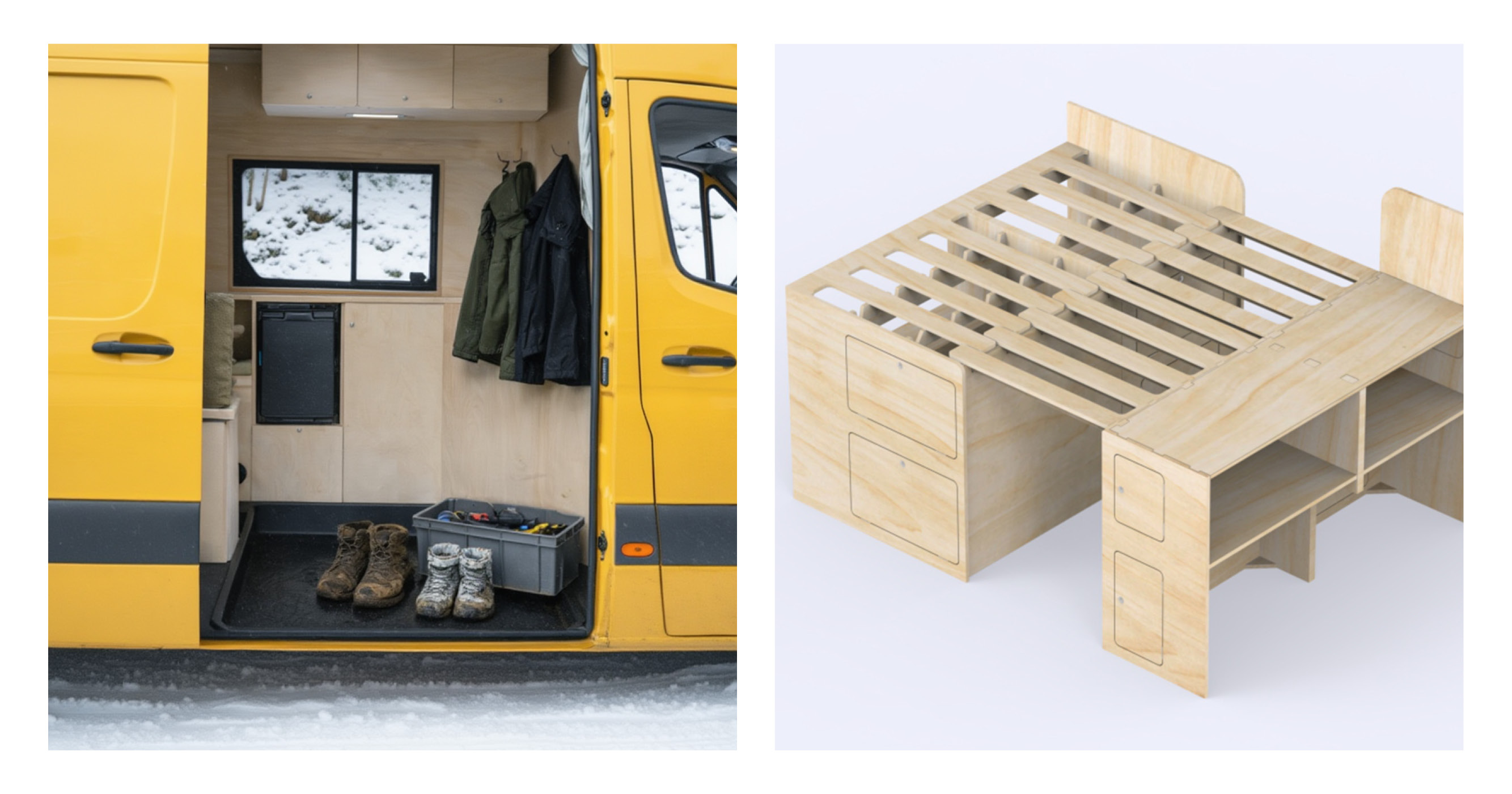
Stay current on local rules around overnight parking and winter equipment. Some regions require winter tyres or chains by law. Factor storage for chains, a compact shovel, and de-icer into your layout so winter readiness doesn’t become clutter.

The European Winter Advantage

European winter vanlife isn’t about conquering cold it’s about smart design in quiet seasons where thoughtfulness beats brute force. Manage moisture, size systems realistically, keep water and heat where they belong, and create space to live comfortably when the weather keeps you inside. Choose routes that work with the climate, not against it. Do this well and winter rewards you with empty Portuguese beaches, quieter coastal towns, affordable off-season travel, and that particular kind of comfort that only exists when it’s cold outside and warm inside your own rolling home. Your DIY van becomes more than transport it becomes a genuinely liveable space, all year round.

Related products
SOLD OUT
€1,599.00 (tax incl.)

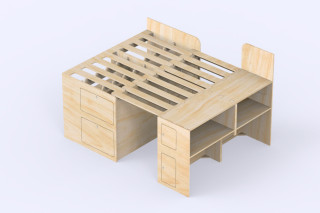
The Bed PLUS Max is our largest bed, and the ultimate foundation for your camper van setup.

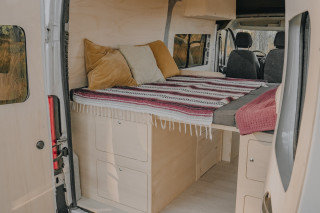
Designed for both comfort and practicality, its innovative comb design converts quickly from a spacious double bed to a single with a central corridor, offering easy access to storage from inside the van and via the rear doors. With elevated height and multi-access compartments, this bed doesn’t just let you sleep well—it eliminates clutter.

Mattress not included

Related articles

Menu

MENU